Best Time to Buy in South Florida: Seasonal Guide 2026-2027

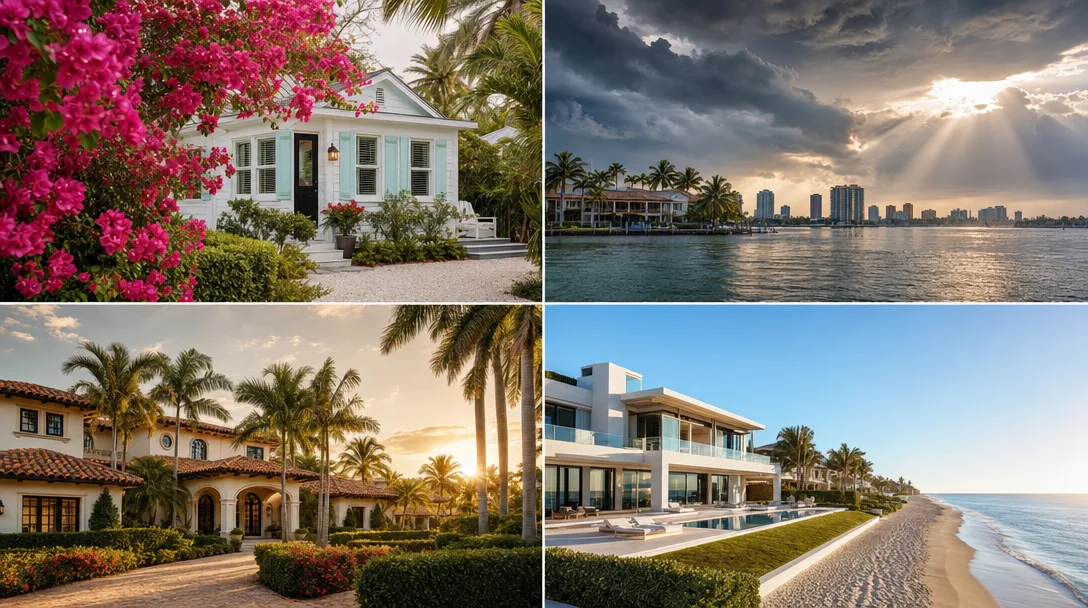
Conventional wisdom says spring is the best time to buy a home, but South Florida's real estate market follows its own seasonal rhythm. The best time to buy depends on what you value most: the widest selection, the lowest price, the least competition, or the best weather for house hunting. Here's how the seasons actually play out in Delray Beach, Boca Raton, and the surrounding coastal communities.
Winter (January-March): Peak Season, Peak Competition
Winter is South Florida's prime season for everything, and real estate is no exception. Snowbirds are here, seasonal residents are in town, and out-of-state buyers are visiting for the weather. Inventory is typically at its lowest because fewer homeowners list during the holidays and early winter.
The pros: The largest pool of motivated buyers means sellers are more likely to transact. The weather is perfect for touring homes. Seasonal rental income potential is highest if you're buying an investment property.
The cons: Highest competition, lowest inventory, and the least negotiating leverage. Multiple-offer situations are most common in January through March.
Verdict: Buy in winter only if you need to move on a specific timeline and are prepared to compete. Not the best time for bargain hunters.
Spring (April-May): The Sweet Spot
April and May are often the best months to buy in South Florida. The snowbird crowd is heading north, seasonal traffic eases, and more homeowners list their properties to capture spring buyers before the summer slow-down.
The pros: Inventory increases as sellers list for the spring market. Competition drops as seasonal buyers leave. Sellers who listed in winter and didn't sell become more motivated. Great weather for touring.
The cons: Prices haven't dropped yet from winter highs. Some of the best properties were already picked over.
Verdict: This is my favorite window for buyers. More choices, less competition, and motivated sellers who want to close before summer.
Summer (June-August): Slow Season, Best Deals
Summer in South Florida means heat, humidity, afternoon thunderstorms, and fewer buyers in the market. Families with school-age children have already wrapped up their moves. The combination of lower demand and fewer out-of-town visitors creates opportunities for serious buyers.
The pros: Lowest competition of the year. Sellers who have been on the market since spring are more willing to negotiate. Price reductions are most common in July and August. You have more time to tour homes without feeling rushed.
The cons: Inventory can be lower as some sellers pull their listings for the summer. The weather can make touring uncomfortable. You're more likely to buy a property that's been sitting, which sometimes means there's a reason it hasn't sold.
Verdict: Best time to negotiate. If you're flexible on timing and willing to deal with the heat, summer offers the best value.
Fall (September-November): The Hidden Opportunity
Fall is the quietest season in South Florida real estate, but it can be the smartest time to buy. The market is settling into its post-summer rhythm, and sellers who haven't sold are increasingly motivated to close before year-end.
The pros: Lowest buyer competition after summer. Sellers are motivated to close before the holidays. Year-end tax considerations can work in buyers' favor. New listings start to appear as homeowners prep for the winter season.
The cons: Hurricane season peaks in September and October, which can make some buyers nervous. Inventory is at its lowest point of the year in October and November.
Verdict: The savvy buyer's window. If you've done your research and know what you want, fall offers the best combination of low competition and motivated sellers.
The Data: What the Numbers Say
Looking at closed sales data over the past three years in Palm Beach County, the patterns are clear:
- Lowest median sale prices: August through October, averaging 3-5% below the winter peak.
- Highest inventory: April through June, with 20-30% more listings than the winter low.
- Fewest days on market: February through April, when demand is highest.
- Most price reductions: July through September, as sellers adjust to market reality.
- Best overall buyer leverage: August through October — lowest competition, most motivated sellers, and greatest willingness to negotiate.
The Strategy Question: Timing vs. Readiness
Here's the honest truth: the best time to buy is when you're ready. I've seen buyers wait for the perfect seasonal window, only to miss out on the right property because someone else moved first. I've also seen buyers rush into a winter purchase and overpay because they felt pressured.
The seasonal data is useful, but it shouldn't drive your decision. What matters more is:
- Are you pre-approved and financially ready?
- Do you know which neighborhoods fit your lifestyle and budget?
- Have you identified what you're willing to compromise on and what's non-negotiable?
- Do you have an agent who knows the market and can spot the right opportunity?
If the answer to all four is yes, you're ready to buy regardless of the season. If not, spend the time getting prepared so you can move quickly when the right home comes along — in whatever season that happens.
The Bottom Line
For buyers who can be flexible, late summer through early fall offers the best combination of lower prices, less competition, and motivated sellers. For buyers who need the widest selection, spring is your window. And for buyers who are tired of waiting and just want to find the right home, the right property is worth buying in any season.
I tell every client the same thing: the calendar matters less than preparation. Get your financing in order, know your neighborhoods, and trust your agent to guide you to the right opportunity when it appears.
Continue Your Research
Ready to Buy, Whatever the Season?
Let's talk about your timeline, your budget, and the neighborhoods that fit your lifestyle. The right strategy matters more than the right season.
Start the Conversation