The Biggest Surprises Homeowners Face in South Florida
Buying a home in South Florida is exciting. The weather, the beaches, the lifestyle. But once the keys are in your hand, new homeowners often discover a handful of realities that are easy to overlook during the search. Insurance costs, HOA dynamics, hurricane prep, humidity, and property taxes all come with local twists. This guide covers the biggest surprises so you can walk into homeownership with your eyes wide open.
Last updated: July 29, 2026
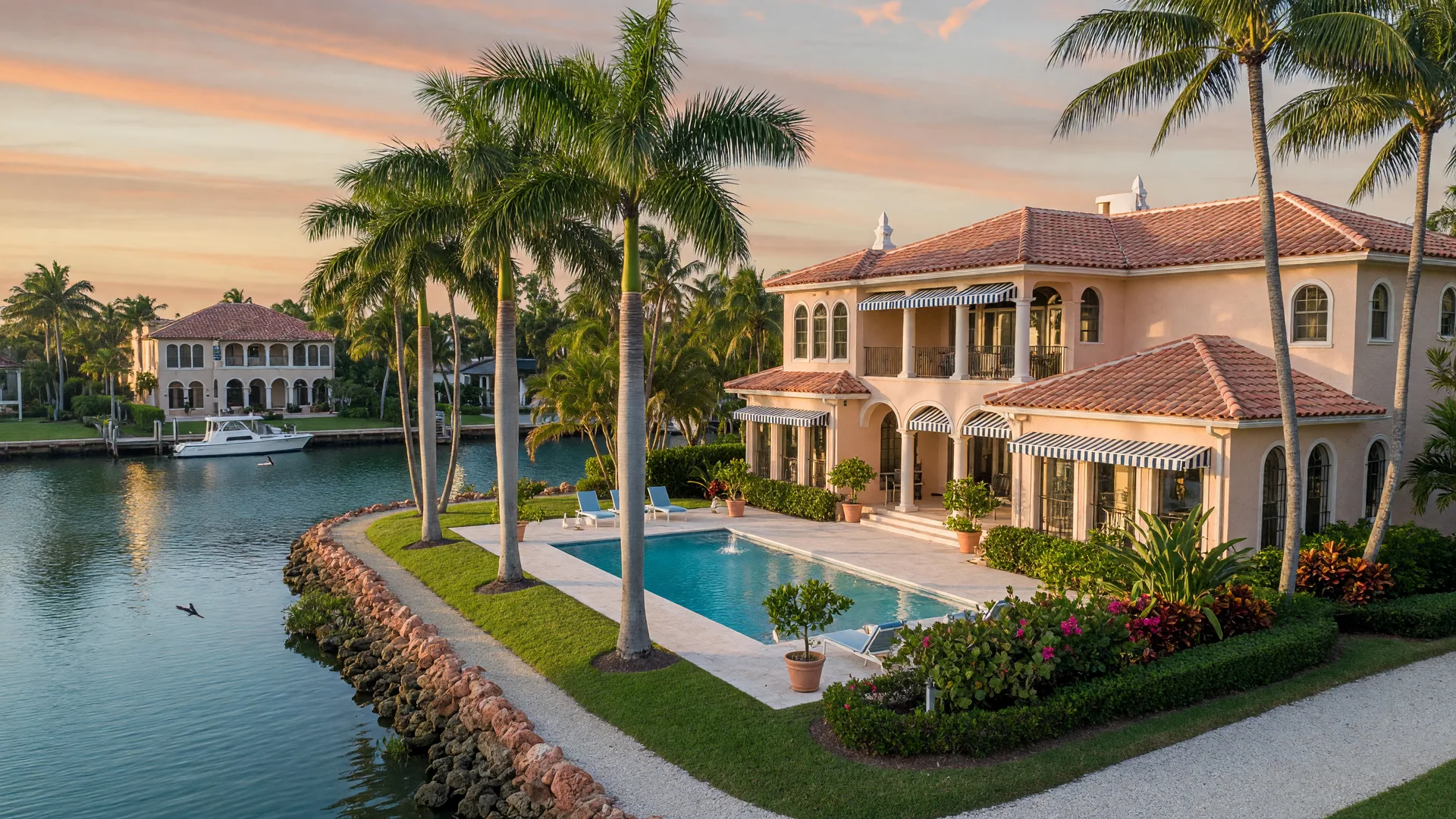
1. Homeowners Insurance Costs Are Much Higher Than You Expect
This is the number one surprise for almost every new South Florida homeowner. Homeowners insurance here costs three to five times the national average. Where a homeowner in the Midwest might pay $1,000 a year, a South Florida homeowner with a similar house could pay $4,000 to $8,000 or more.
The reason is straightforward: hurricane risk. Florida's position on the Atlantic hurricane belt means insurance companies price in the potential for catastrophic wind and flood damage. Several major insurers have pulled out of the Florida market entirely, and those that remain have raised rates significantly. Properties with non-impact windows, older roofs, or locations in high-risk flood zones face the steepest premiums.
Here is what you can do: Look for homes with impact windows and doors, a newer roof (2010 or later), and wind mitigation features. Get insurance quotes before you make an offer, not after. I walk every buyer through this process and connect them with local insurance agents who understand the South Florida market. For a full breakdown, see my homeowners insurance guide.
2. Flood Insurance Is Often Mandatory
Even if your homeowners policy covers wind damage, it will not cover flooding. And in South Florida, much of the desirable real estate near the coast, the Intracoastal, and even along inland waterways sits in FEMA-designated flood zones. If your property is in a Special Flood Hazard Area (Zone A or V), your lender will require flood insurance. Period.
Flood insurance through the NFIP typically costs $700 to $2,500 annually for standard policies, but properties in high-risk V zones (coastal areas subject to wave action) can pay more. Private flood insurance is also available and sometimes cheaper for lower-risk properties. Either way, budget for it.
Before making an offer, I check the FEMA flood map for every property and help my clients understand the true cost of ownership, including flood insurance. It is one of those details that can add a significant monthly expense if you do not plan for it.
3. HOA Fees and Special Assessments Add Up
Many South Florida homes, especially condos and townhomes, are part of a homeowners association or condo association. Fees range widely. A single-family home in a suburban HOA might cost $200 to $500 monthly. A high-rise condo with full amenities could run $800 to $1,500 or more per month.
Beyond the monthly fees, the real surprise is special assessments. When a community needs major repairs (new roof, elevator replacement, seawall repair, or reserve fund shortages after Hurricane Irma or Ian), the association issues a special assessment that can run into the tens of thousands of dollars per unit. I always advise buyers to review the association's financial statements, reserve study, and meeting minutes before buying. A well-funded HOA with healthy reserves is a green flag. One that has deferred maintenance or underfunded reserves is a warning sign.
For a deeper look at what goes into a Florida home purchase, my closing cost estimator helps you budget for every expense.
4. Hurricane Preparation Is a Year-Round Responsibility
Hurricane season runs from June 1 to November 30, but preparation is a year-round reality of South Florida homeownership. Impact windows and doors are the gold standard, but not every home has them. If your home has accordion shutters, roll-down shutters, or storm panels, you need to know how to deploy them, test them annually, and store them properly.
New homeowners are often surprised by the logistics: storing heavy panels, climbing ladders to install shutters, stocking supplies, and having a plan for pets and evacuation. It is manageable, but it is real. The good news is that modern building codes (Florida's are among the strongest in the nation) mean newer homes are built to withstand hurricane-force winds. Older homes may need retrofitting.
I help every buyer understand the specific hurricane readiness of the homes we look at. It is part of my due diligence process, and it matters a lot for both safety and insurance costs.
5. Property Taxes Reset for New Buyers
Here is a subtle one that catches people off guard. Florida's Save Our Homes amendment caps annual increases in assessed value at 3% for homesteaded properties. This means the seller who lived in the home for 20 years may have been paying taxes on a fraction of the home's actual market value. When you buy the home, the assessment resets to the purchase price, and your tax bill will be based on the full current value.
For example, if a home is assessed at $300,000 but sells for $600,000, the new owner pays taxes on $600,000 (minus any exemption). The difference can be hundreds of dollars per month. Always ask your agent to estimate the post-purchase tax bill. I do this for every client before they make an offer.
On the positive side, once you establish homestead, your own assessment increases are capped at 3% annually, giving you predictable and manageable growth in property taxes over time.
6. Humidity and Maintenance Are Constant
South Florida's subtropical climate is wonderful for most of the year, but it is hard on homes. Humidity causes mold, mildew, and rot. The salt air near the coast accelerates corrosion on metal fixtures, AC units, and outdoor furniture. The sun bleaches surfaces and degrades roofing materials faster than in cooler climates.
Air conditioning is not a luxury here, it is a necessity, and AC units work hard year-round. A well-maintained system lasts 10 to 15 years, but replacement costs $5,000 to $12,000 depending on the system size. Budget for annual AC maintenance and eventual replacement.
Exterior paint lasts 5 to 7 years instead of the 10+ years you might expect in northern states. Pool maintenance adds another ongoing expense if the home has one. Landscaping, while lush, requires consistent care. The key is buying a home that has been well-maintained and budgeting realistically for ongoing upkeep.
How to Prepare: A Practical Checklist
Here is my advice for every buyer entering the South Florida market:
- Get insurance quotes before you make an offer. Know the full cost of ownership early. Your agent should be able to recommend local insurance brokers.
- Review HOA documents before closing. Look at the reserve study, financial statements, and meeting minutes for signs of special assessments or deferred maintenance.
- Check the FEMA flood map. Know your flood zone and whether flood insurance is required or recommended. Do not rely on the seller's disclosure alone.
- Get a wind mitigation inspection. This can identify features that qualify you for insurance discounts, like impact windows, hurricane clips, and roof deck attachment.
- Budget for maintenance. Set aside 1% to 2% of the home's value annually for repairs and upkeep. In coastal Florida, that is not optional.
- Ask your agent about the property's history. Has it been through hurricanes before? Are there known drainage issues? How old is the roof and AC system?
These are the details that separate a smooth homeownership experience from a surprising one. I guide every buyer through each of these steps. If you are thinking about buying in South Florida, let's talk about what you need to know before you make your move.
For more comprehensive guides, visit SouthFloridaBuyerGuide.com or RyanParkerHomeGuide.com for everything from insurance tips to closing cost breakdowns.
Frequently Asked Questions
What are the biggest surprises new homeowners face in South Florida?
The biggest surprises include high homeowners insurance costs (often $3,000 to $8,000+ annually), mandatory flood insurance requirements, HOA fees and special assessments, hurricane preparation expenses, persistent humidity and maintenance needs, and property taxes that reset to full assessed value for new buyers.
How much does homeowners insurance cost in South Florida?
Homeowners insurance in South Florida is significantly higher than the national average. Typical annual premiums range from $3,000 to $8,000 for standard single-family homes, and can exceed $15,000 for waterfront properties or older homes without impact-resistant features.
Are HOA fees in Florida worth it?
HOA fees vary widely, from $200 to $600+ monthly for single-family communities and $400 to $1,500+ for condos. They cover maintenance, amenities, and insurance. Well-managed HOAs maintain property values, but always review the financials and reserve study before buying.
How do Florida property taxes work for new buyers?
Florida property taxes typically range from 1.5% to 2% of assessed value. The previous owner's tax bill may have been artificially low due to Save Our Homes caps. When you buy, the assessment resets to the purchase price, so your tax bill will be based on the full current value.
Ready to buy with confidence in South Florida?
I help buyers understand every cost and consideration before they make an offer. No surprises, just a clear path to homeownership.
Schedule a ConsultationOr call Ryan directly at (561) 915-8590