What Is Florida Homestead Exemption? And Why You're Probably Leaving Money on the Table

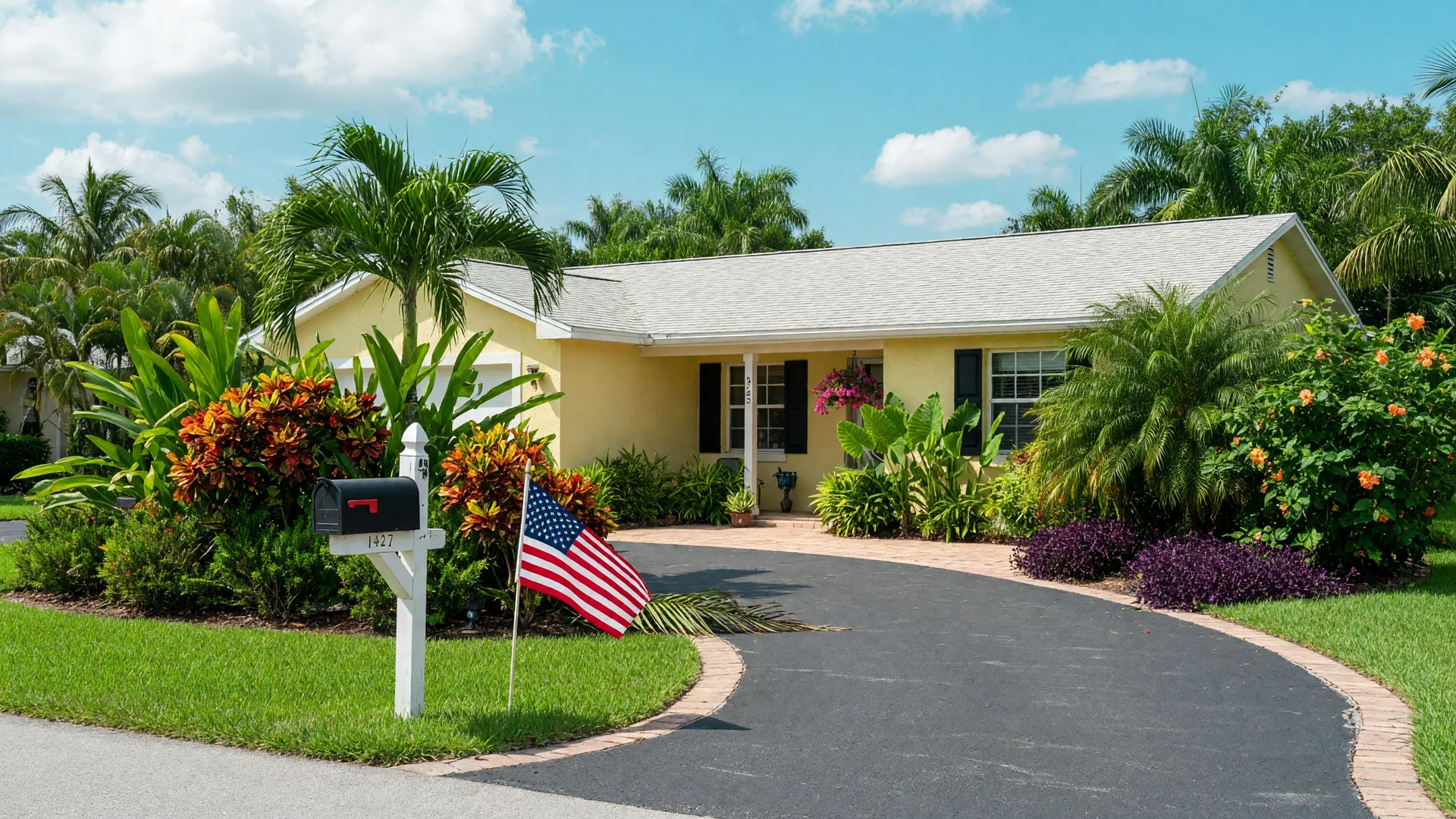
If you own a home in Florida and haven't filed for the Homestead Exemption, you're almost certainly paying more in property taxes than you should be. It's not a small amount either — we're talking $500 to $1,000+ a year in savings for most homeowners, and more for higher-value properties.
The Homestead Exemption is one of the best financial benefits of owning a home in Florida, but surprisingly, some new homeowners either don't know about it or don't file on time. Here's exactly how it works, who qualifies, and how to apply.
What Is the Homestead Exemption?
The Florida Homestead Exemption is a constitutional provision that reduces the taxable value of your primary residence. As of 2026, it exempts the first $50,000 of your home's assessed value from property taxes for most taxing authorities.
Here's how it breaks down:
- The first $25,000 is exempt from all property taxes, including school district taxes.
- The second $25,000 (on assessed values between $50,000 and $75,000) is exempt from all taxes except school district taxes.
So if your home is assessed at $400,000, you'll only pay taxes on $350,000 of that value. At a typical millage rate of roughly 20 mills (which equals $20 per $1,000 of assessed value), that's a savings of about $700 a year — every year you own the home.
The Benefit You Don't Want to Miss: Save Our Homes
The Homestead Exemption comes with an even more powerful benefit: the Save Our Homes amendment. This caps annual increases in your home's assessed value at 3% or the Consumer Price Index, whichever is lower.
In a market like South Florida, where home values have appreciated 6–18% annually in some segments, this cap is enormously valuable. If you bought a waterfront home in Delray Beach for $2 million five years ago, its market value might be $3 million today. But thanks to Save Our Homes, your assessed value can only increase by 3% per year. That means your tax bill is based on roughly $2.3 million, not $3 million — a difference that could save you $5,000–$10,000+ annually.
This is one of the hidden benefits of long-term homeownership in Florida. It's why many homeowners who've lived in their homes for 10+ years have significantly lower tax bills than someone who just bought a similar house next door.
Who Qualifies?
To qualify for the Florida Homestead Exemption, you must meet three requirements:
- You must be a Florida resident. You need to have established Florida as your legal residence (driver's license, voter registration, vehicle registration, etc.).
- You must own the property. The exemption applies to your primary residence — the home where you live most of the year. You can only claim it on one property.
- You must file by March 1. The deadline to apply for the exemption is March 1 of the year for which you're seeking the benefit. If you buy a home in February, you have until March 1 to file. If you buy in April, you'll have to wait until the following year.
Important note: If you own a property as a second home, vacation home, or investment property, it does NOT qualify for Homestead Exemption. This benefit is for your primary residence only.
How to Apply
The application process is straightforward, but the timing is critical. Here's what you need to do:
- Go to your county Property Appraiser's website. For Palm Beach County, that's pbcgov.org/papa/. For Broward County, it's bcpa.net.
- Download or complete the Homestead Exemption application online. You'll need your Social Security number, Florida driver's license, and proof of ownership.
- Submit by March 1. You can file online, by mail, or in person at the Property Appraiser's office.
If you miss the March 1 deadline, you can still apply — but the exemption won't take effect until the following tax year. That's a year of savings you're leaving on the table.
Additional Exemptions You Might Qualify For
Beyond the standard Homestead Exemption, there are additional exemptions that could reduce your tax bill further:
- Senior Citizen Exemption. If you're 65 or older with a limited income, you may qualify for an additional exemption of up to $50,000.
- Veterans Exemption. Disabled veterans and their surviving spouses may qualify for substantial additional exemptions.
- Widow/Widower Exemption. Surviving spouses of Florida residents may qualify for a $500 exemption.
- First Responder Exemption. Some counties offer additional exemptions for law enforcement, firefighters, and EMTs.
Check with your county Property Appraiser's office to see what you qualify for. The savings can add up quickly.
The Bottom Line
The Florida Homestead Exemption is not a loophole or a secret — it's a constitutional right available to every qualified Florida homeowner. But it only works if you file. I've met homeowners who missed the March 1 deadline and lost a full year of savings. Don't let that be you.
If you're buying a home in South Florida and need help understanding the process, I can walk you through it. I help every one of my buyer clients understand the homestead filing process so they don't miss the window.
Buying a Home in South Florida?
I help every buyer understand the full financial picture — including homestead exemptions, tax implications, insurance costs, and everything else that affects your bottom line. Before you start house hunting, estimate your total closing costs with the Closing Cost Estimator.
Start Your Home Search